Buying a $1.4 Million Home in Bellevue: What a Jumbo Loan Really Looks Like
Reviewed by Peter Irungu, NMLS #2751063 | Last updated October 23, 2026
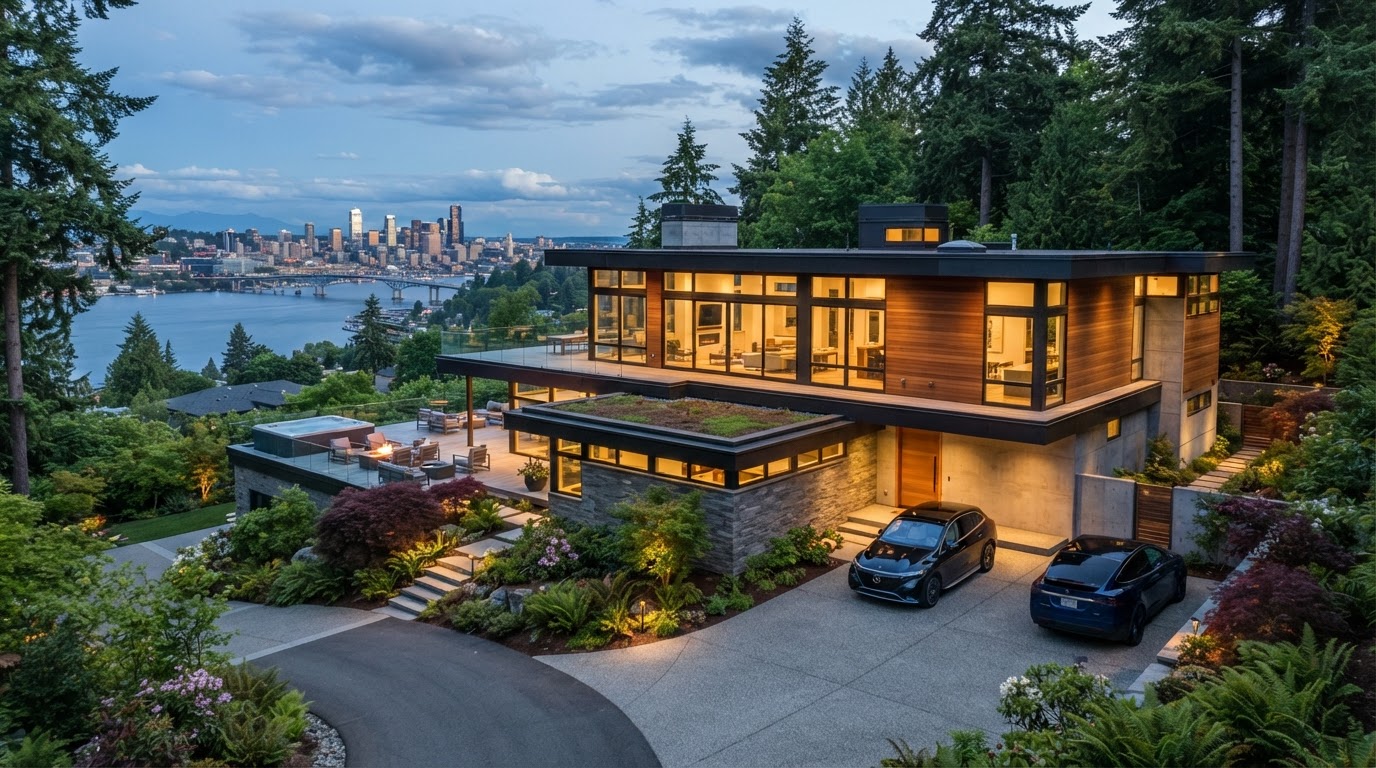
Raj was a 41-year-old software engineering director at a Bellevue tech company. He'd sold stock options, saved aggressively, and was ready to buy his family's first home in the $1.3-1.5 million range. He'd been pre-approved by his bank for a conventional loan but the bank's conforming loan limit meant he'd need a jumbo loan for anything above $1,063,750 in King County.
He called me with a question I hear a lot from high-earning buyers: 'What's different about a jumbo loan, and is my bank giving me the best deal?' Here's what I walked him through and how we structured a jumbo loan that fit his financial profile better than his bank's offer.
What Makes a Loan 'Jumbo' in King County
A jumbo loan is any mortgage that exceeds the conforming loan limit for the area. In King County, the 2026 conforming limit for a one-unit property is $1,063,750. Any loan above that amount is considered jumbo and jumbo loans have different underwriting rules, reserve requirements, and pricing.
Raj was looking at homes in the $1.3-1.5 million range. With 20% down, his loan amount would be $1.04-1.2 million right at or above the conforming limit. His bank had quoted him a jumbo rate that was 0.5% higher than the conforming rate, which over 30 years would cost him tens of thousands more in interest.
Here's what many high-income buyers don't know: jumbo loan rates aren't always higher than conforming. Depending on the lender, your credit profile, and your reserves, jumbo rates can be competitive sometimes even lower than conforming. That's because jumbo loans are often portfolio loans held by the lender rather than sold to Fannie Mae or Freddie Mac, and lenders compete for high-quality jumbo borrowers.
The Reserve Requirement That Surprised Raj
The biggest difference between Raj's bank's jumbo offer and what I was able to structure was the reserve requirement. His bank wanted 12 months of PITI (principal, interest, taxes, and insurance) in liquid reserves after closing about $145,000 sitting in a bank account, not invested, not available for other uses.
By shopping multiple jumbo lenders, I found a program that required only 6 months of reserves about $72,000 and allowed a portion of those reserves to be in retirement accounts. That freed up $70,000+ that Raj could keep invested or use for other purposes.
Reserve requirements vary dramatically by lender and loan amount. Some jumbo programs want 6 months, some want 12, some want 24 for very high loan amounts. The key is working with a broker who has access to multiple jumbo lenders not just one bank's portfolio program.
Credit and Debt-to-Income for Jumbo
Jumbo loans typically require a 700+ credit score, and many programs want 720 or 740+. Raj's score was 782 well above the threshold. His debt-to-income ratio was 28%, well under the 43% most jumbo lenders cap at.
But here's where it got interesting: Raj had significant stock options that vested annually. His bank wanted to count only his base salary for qualification not his stock comp. The jumbo program I found allowed us to use a two-year average of his total compensation, including vested stock. That increased his qualifying income by about $180,000 per year and gave us more flexibility on the loan amount.
Income documentation for jumbo loans can be more nuanced than conventional. If you have variable compensation stock, bonus, commission, or self-employment income the right lender can make a big difference in what you qualify for.
The Appraisal and the Closing
Jumbo loans require a full appraisal, and for homes above $1 million, many lenders want two appraisals. Raj's home appraised at $1.42 million right at the purchase price. The second appraisal came in slightly lower at $1.38 million, which meant we had to negotiate the price down or increase the down payment.
We negotiated the seller down to $1.39 million, which kept the loan amount just under the threshold where a second appraisal would have been required on the next program. Raj put 20% down ($278,000) and financed $1.112 million.
The closing took 32 days slightly longer than a conventional loan because of the appraisal negotiation and the jumbo underwriting process. Raj moved in with his family in late June, and his monthly payment including taxes and insurance was about $7,800 well within his budget.
All loan products, interest rates, and terms are subject to credit approval and market conditions. This is not a commitment to lend. Jumbo loan requirements vary by lender and are subject to change without notice.
Have questions about your mortgage?
Book a free 15-minute call with Peter no credit pull required.
Related Articles

Reverse Mortgage Myths Debunked: What WA Homeowners 62+ Need to Know
Separating fact from fiction on reverse mortgages including the truth about ownership, repayment, and whether you can lose your home.
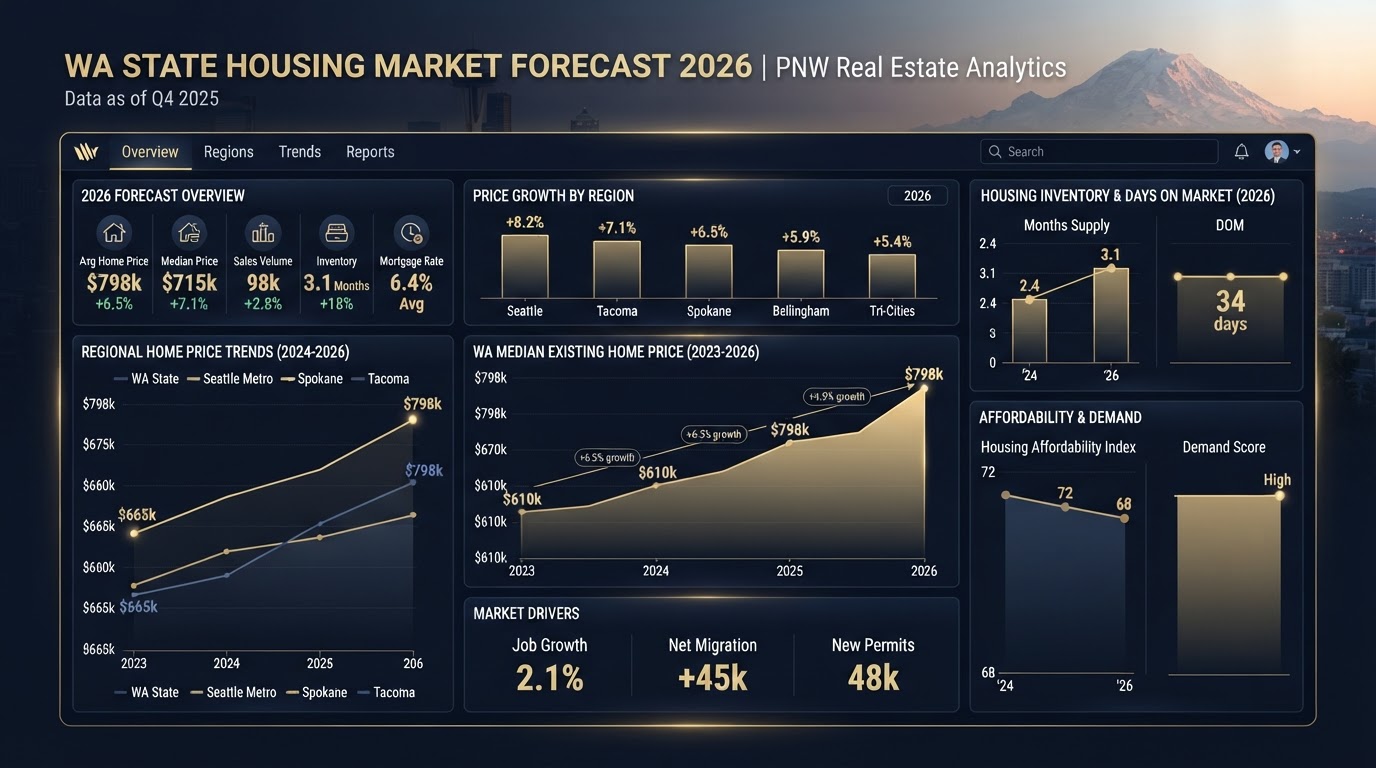
Washington Housing Market 2026: What Buyers and Investors Should Watch
Pierce County and King County trends, interest rate outlook, and what it all means for your next home purchase or investment in 2026.

What Credit Score Do You Really Need for a Mortgage in Washington?
The minimums aren't the whole story. Here's how your credit score actually affects your rate, your options, and your monthly payment in Washington.