
The Fixer-Upper That Doubled in Value: How a Tacoma Investor Used a Bridge Loan to Flip Her First Property
Reviewed by Peter Irungu, NMLS #2751063 | Last updated October 23, 2026
Rachel had been flipping furniture as a side hustle for three years. By 2026, she was ready to flip her first house a distressed three-bedroom in Tacoma's Lincoln District that a wholesaler had brought her. The price was right at $285,000, but it needed about $65,000 in renovations, and Rachel didn't have $350,000 in cash.
She called me with the question every first-time fix-and-flip investor asks: 'How do I pay for the house and the renovations when I don't have that kind of cash?' The answer was a bridge loan. Here's how it worked and the numbers that made Rachel's first flip a success.
What a Bridge Loan Is and Isn't
A bridge loan is short-term financing designed for real estate investors who need to close quickly on a property, renovate it, and either sell it or refinance into long-term financing. It's not a traditional mortgage it's a tool for investors who need speed and flexibility.
For Rachel's project, the bridge loan covered 85% of the purchase price and 100% of the renovation costs. She brought about $48,000 to closing (15% of the purchase price plus some closing costs), and the lender funded the renovation draws as the work was completed and inspected.
The key difference from a traditional mortgage: the bridge lender cared more about the property's after-repair value and Rachel's track record as a renovator than about her personal income. The loan was based on the project, not her tax returns.
The Numbers Behind the Flip
Purchase price: $285,000. Bridge loan: $242,250 (85% of purchase). Rachel's cash at closing: about $48,000. Renovation budget: $65,000, funded by the bridge loan in draws.
Total project cost: about $350,000. After-repair value (based on comparable sales in the Lincoln District): $465,000. Rachel's gross profit before holding costs and loan interest: about $115,000.
The bridge loan had a 12-month term with interest-only payments. Her monthly interest payment was about $2,100. She completed the renovation in five months and listed the home in month six. It sold in 22 days for $459,000.
After paying off the bridge loan ($242,250 plus accrued interest of about $12,600), closing costs on the sale ($33,000), and her original $48,000 investment, Rachel walked away with about $83,000 in profit on her first flip. Not a windfall, but a solid return on a six-month project and the confidence to take on her next one.
What Rachel Learned and What She'd Do Differently
Rachel's first flip taught her three things. First, renovations always cost more and take longer than you expect. Her $65,000 budget became $72,000 when the contractor found water damage behind the master bath shower. Second, holding costs matter every month the property sits unsold, you're paying interest, taxes, insurance, and utilities.
Third, and most importantly: she should have had her exit strategy lined up before she closed. She planned to sell, but if the market had shifted, she would have needed to refinance into a DSCR loan to hold the property as a rental. Having a backup plan matters.
If you're considering your first fix-and-flip in Pierce County, let's talk before you make an offer. I'll help you model the numbers, understand the financing options, and build a realistic plan including the exit strategy.
Is a Bridge Loan Right for Your Project?
Bridge loans aren't for every investor. They're expensive rates are higher than traditional mortgages, and the short terms mean you need to move fast. But for the right project a distressed property with clear upside, a realistic renovation budget, and a solid exit plan they can be the tool that makes the deal possible.
I work with investors across Pierce County and King County who use bridge loans, DSCR loans, and conventional investment property financing. The right choice depends on your project, your timeline, and your long-term strategy. Let's map it out together.
All loan products, interest rates, and terms are subject to credit approval and market conditions. This is not a commitment to lend. Bridge loan requirements and terms vary by lender. Programs, rates, terms, and conditions are subject to change without notice.
Have questions about your mortgage?
Book a free 15-minute call with Peter no credit pull required.
Related Articles

DSCR Loans for Real Estate Investors in Pierce County: No Income Docs Required
How DSCR loans help Pierce County investors qualify on rental income instead of tax returns ideal for self-employed buyers growing a portfolio.

Cash Flow or Appreciation? How Pierce County Investors Should Choose in 2026
Rental yields, price growth, and DSCR loan strategies for real estate investors building a portfolio in Pierce County this year.
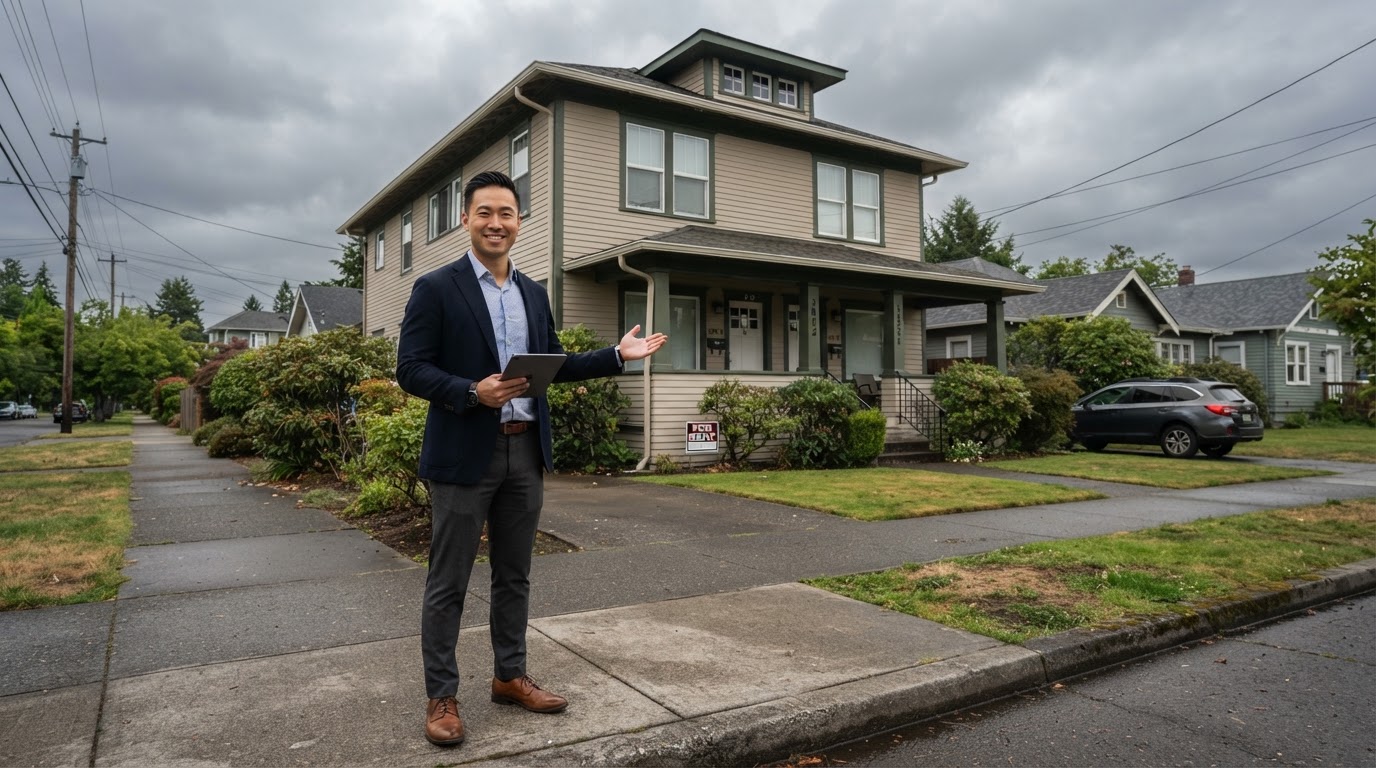
The Tacoma Duplex That Paid for Itself: An Investor's First DSCR Loan
How a first-time real estate investor used a DSCR loan to buy a duplex in Tacoma qualifying on rental income instead of personal tax returns.