
Three Generations Under One Roof: How a Tacoma Family Bought a Home That Fit Everyone
Reviewed by Peter Irungu, NMLS #2751063 | Last updated October 23, 2026
Maria and James had been house-hunting for three months when the plan changed. Maria's mother, Elena, was retiring from her job in California and moving to Washington to be closer to her grandkids. Suddenly, they weren't looking for a three-bedroom home for their family of four they were looking for a home that could fit three generations comfortably.
They called me with a question I hear more often than you'd think: 'Can we buy a bigger house and have my mom contribute to the mortgage?' The answer is yes and the right loan program made it possible. Here's how they found a home in Tacoma that worked for everyone.
The Income That Made It Possible
Maria and James earned a combined $145,000. Elena had $42,000 in retirement income and Social Security. Together, their household income was $187,000 but Elena wasn't on the loan. She was contributing to the household budget informally, helping with groceries, childcare, and utilities.
Here's what many families don't realize: if Elena was going to live in the home and contribute to the household expenses, her income could potentially be considered in the qualification even if she wasn't a co-borrower. This is called 'non-occupant co-borrower' or 'household member income' depending on the loan program, and it can make a real difference in what a multi-generational household can qualify for.
With Elena's income considered, the household qualified for a larger loan amount enough to buy a four-bedroom home with a dedicated in-law space on the main floor, rather than settling for something smaller.
Finding the Right Layout
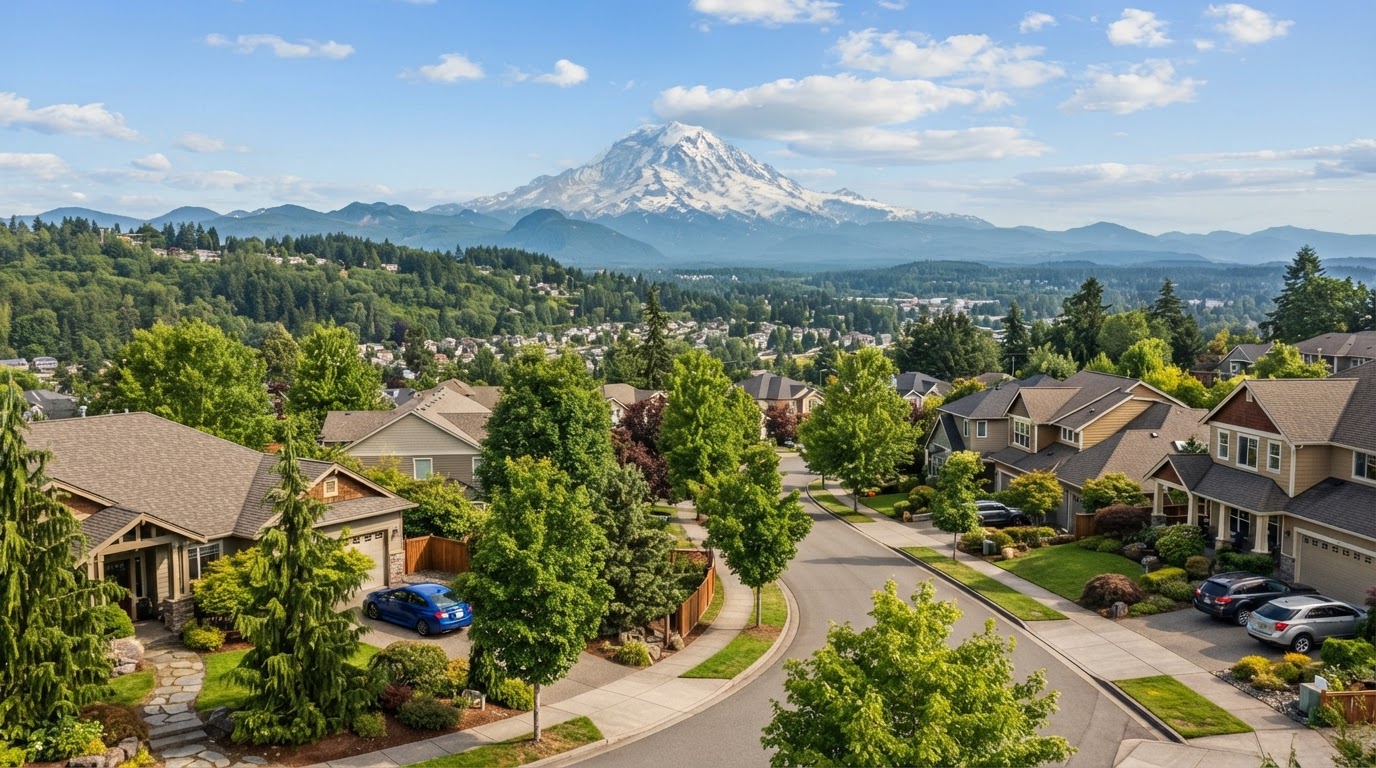
The home they found was a four-bedroom, two-bath house in Tacoma's East Side, listed at $525,000. It had a primary suite on the main floor with a full bath perfect for Elena, who had knee issues and couldn't manage stairs easily. The upstairs had three bedrooms and a shared bath for Maria, James, and their two kids.
The layout mattered as much as the square footage. A home where everyone has their own space but where the common areas bring the family together is what makes multi-generational living work. The kitchen was large enough for Maria and Elena to cook together, which was important to both of them.
They offered $515,000 and the seller accepted at $520,000. The appraisal came in at $528,000. The inspection was clean. They closed in 32 days.
The Loan That Fit the Family
Maria and James qualified for a conventional loan with 10% down about $52,000. They had $40,000 saved, and Elena contributed $15,000 from her retirement savings to help with the down payment. Gift funds from a family member are allowed on conventional loans, and Elena's contribution was documented as a gift.
Their monthly payment including principal, interest, property taxes, and insurance: about $3,680. Elena contributed $800 per month to the household budget, which covered groceries, utilities, and her share of expenses. The net cost to Maria and James: about $2,880 less than they'd been paying for their previous home plus Elena's California apartment.
The arrangement worked because it was planned. They discussed expectations before they moved in who pays for what, how childcare works, how privacy is respected. A multi-generational home only works when the financial and personal arrangements are clear from the start.
What to Consider Before Buying Multi-Generational
If you're considering buying a home with aging parents or adult children, start with three conversations: the financial conversation (who contributes what), the space conversation (who gets which rooms), and the lifestyle conversation (how do you share common areas).
On the mortgage side, talk to me early. If a parent or adult child will be contributing to the household income, there may be ways to factor that into qualification. If they'll be on the loan, their credit and income will be part of the underwriting. If they'll be on the deed but not the loan, that's a different conversation about ownership structure.
Multi-generational living is becoming more common in Washington and the right home with the right loan can make it work beautifully. I'll help you run the numbers and understand the options before you start touring homes.
All loan products, interest rates, and terms are subject to credit approval and market conditions. This is not a commitment to lend. Gift fund requirements and household income rules vary by loan program. Programs, rates, terms, and conditions are subject to change without notice.
Have questions about your mortgage?
Book a free 15-minute call with Peter no credit pull required.
Related Articles

Washington State Down Payment Assistance Programs: Complete 2025 Guide
A guide to grants, forgivable loans, and second mortgages available to Washington homebuyers including Pierce County programs that may never require repayment.
Puyallup Home Prices and What Buyers Can Afford in Today's Market
A look at Puyallup and Pierce County home prices, what they mean for your monthly payment, and how to figure out what you can comfortably afford.

What Actually Happens on Closing Day? A Washington Homebuyer's Walkthrough
From the final walkthrough to the wire transfer to the keys in your hand here's exactly what to expect on closing day in Washington State, with no surprises.