Building Their Dream Home in Bonney Lake: A Construction-to-Permanent Loan Story
Reviewed by Peter Irungu, NMLS #2751063 | Last updated October 23, 2026
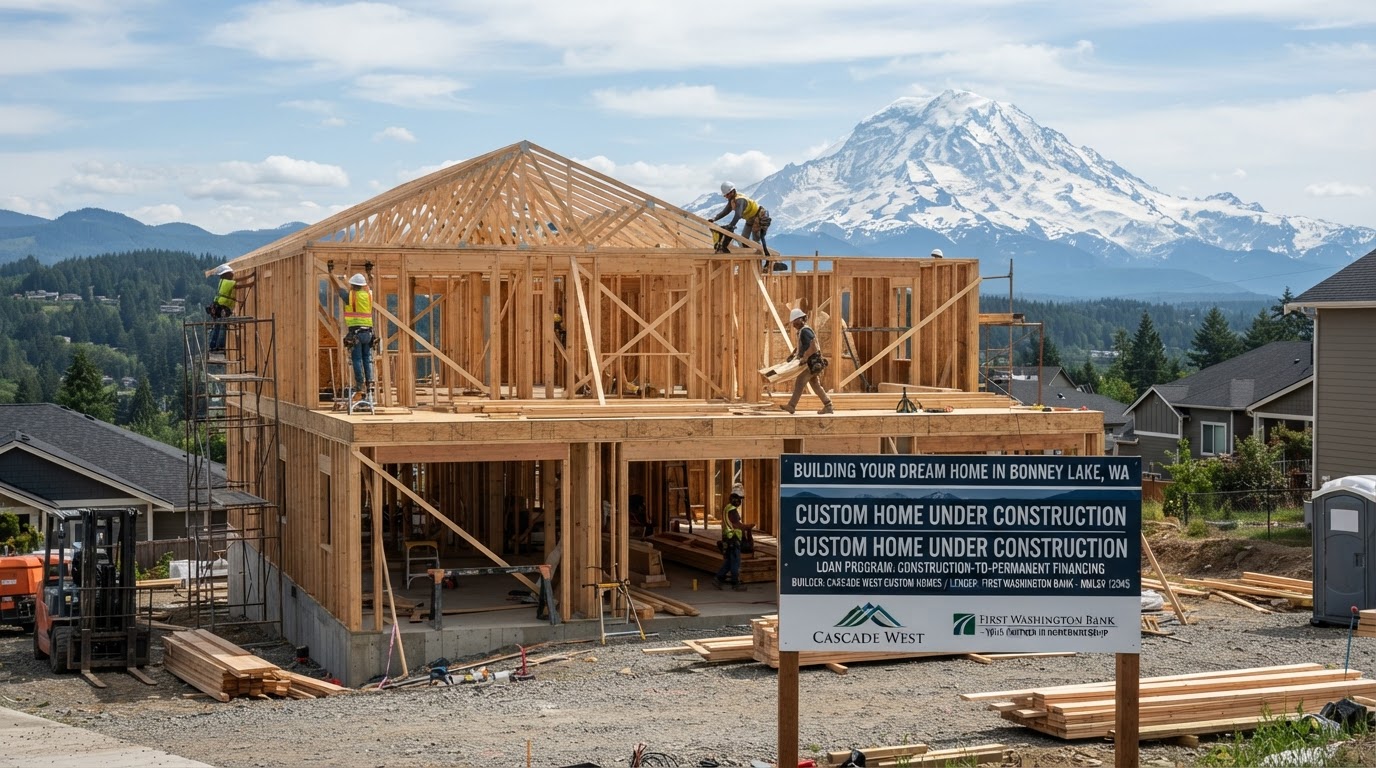
Jenny and Mike had been looking at homes for two years. Every house they toured was close but not quite right the wrong layout, the wrong lot, the wrong neighborhood. Then they found a vacant lot in Bonney Lake with a view of Mount Rainier, and a vision started to form: what if they built exactly what they wanted?
The problem: they didn't have $500,000 in cash to buy the lot and build a home outright. That's when they called me to ask about construction loans. Here's how we turned a vacant lot into their family's forever home with one loan, one closing, and a lot of planning.
How a Construction-to-Permanent Loan Works
A construction-to-permanent loan (also called a one-time-close or OTC construction loan) combines two loans into one: a construction loan that funds the build, and a permanent mortgage that takes over once the home is complete. You close once, lock your rate upfront, and avoid a second set of closing costs when the construction phase ends.
During construction, you make interest-only payments on the funds as they're drawn. The lender disburses money to your builder in stages foundation, framing, drywall, finish based on inspections. Once the home is complete and the final inspection passes, the loan converts to a permanent mortgage with a standard 15, 20, or 30-year amortization.
For Jenny and Mike, this meant one set of closing costs instead of two, a rate locked before construction started, and a single lender managing the entire process from dirt lot to front door.
The Numbers: Lot, Build, and Total Cost
Jenny and Mike bought the lot for $145,000. They had a builder quote of $580,000 for a 2,800-square-foot home. Total project cost: $725,000. They had $145,000 saved for a down payment.
With a construction-to-permanent loan, the lender financed the lot purchase and the construction costs together. Their loan amount was $580,000 (80% of the total project cost), and their down payment was $145,000 the exact amount they'd saved.
During the 8-month construction period, they made interest-only payments on the drawn funds about $1,800 per month at the start, growing as more funds were drawn. They continued renting during construction, so they were paying both rent and the construction interest a common arrangement that requires budgeting for both.
Once the home was complete, the loan converted to a 30-year fixed mortgage. Their permanent payment including taxes and insurance was about $4,200 per month and they moved in rent-free to their custom home.
Choosing the Right Builder and Managing the Process
The construction loan process requires a licensed, approved builder most lenders won't allow owner-builders or unlicensed contractors. Jenny and Mike chose a builder with experience in the Bonney Lake area, and the lender approved the builder's credentials, plans, and budget before approving the loan.
Draws are tied to inspections. After each phase foundation, framing, etc. the lender sends an inspector to verify the work is complete before releasing the next draw. This protects both the borrower and the lender: you don't pay for work that hasn't been done.
The key to a smooth construction loan is communication. I checked in with Jenny, Mike, and their builder every two weeks during the build. When the builder hit a delay on framing due to weather, we adjusted the draw schedule. When the final inspection found a punch-list item, we held the final draw until it was resolved.
What to Know Before You Build
Construction loans require more upfront work than buying an existing home. You need plans, a builder, a budget, and a lender experienced in construction lending. The process takes longer Jenny and Mike's build took 8 months from breaking ground to moving in and you need to be prepared for the possibility of cost overruns and delays.
But for the right family, building a custom home is worth every minute. Jenny and Mike got exactly the home they wanted the right layout, the right lot, the right view and they built equity from day one instead of compromising on someone else's floor plan.
If you're considering building in Pierce County, King County, or anywhere in Washington, let's talk about whether a construction-to-permanent loan fits your plans. I'll walk you through the numbers, the timeline, and what to expect before you break ground.
All loan products, interest rates, and terms are subject to credit approval and market conditions. This is not a commitment to lend. Construction loan requirements vary by lender and program. Programs, rates, terms, and conditions are subject to change without notice.
Have questions about your mortgage?
Book a free 15-minute call with Peter no credit pull required.
Related Articles
Washington State Down Payment Assistance Programs: Complete 2025 Guide
A guide to grants, forgivable loans, and second mortgages available to Washington homebuyers including Pierce County programs that may never require repayment.
Puyallup Home Prices and What Buyers Can Afford in Today's Market
A look at Puyallup and Pierce County home prices, what they mean for your monthly payment, and how to figure out what you can comfortably afford.
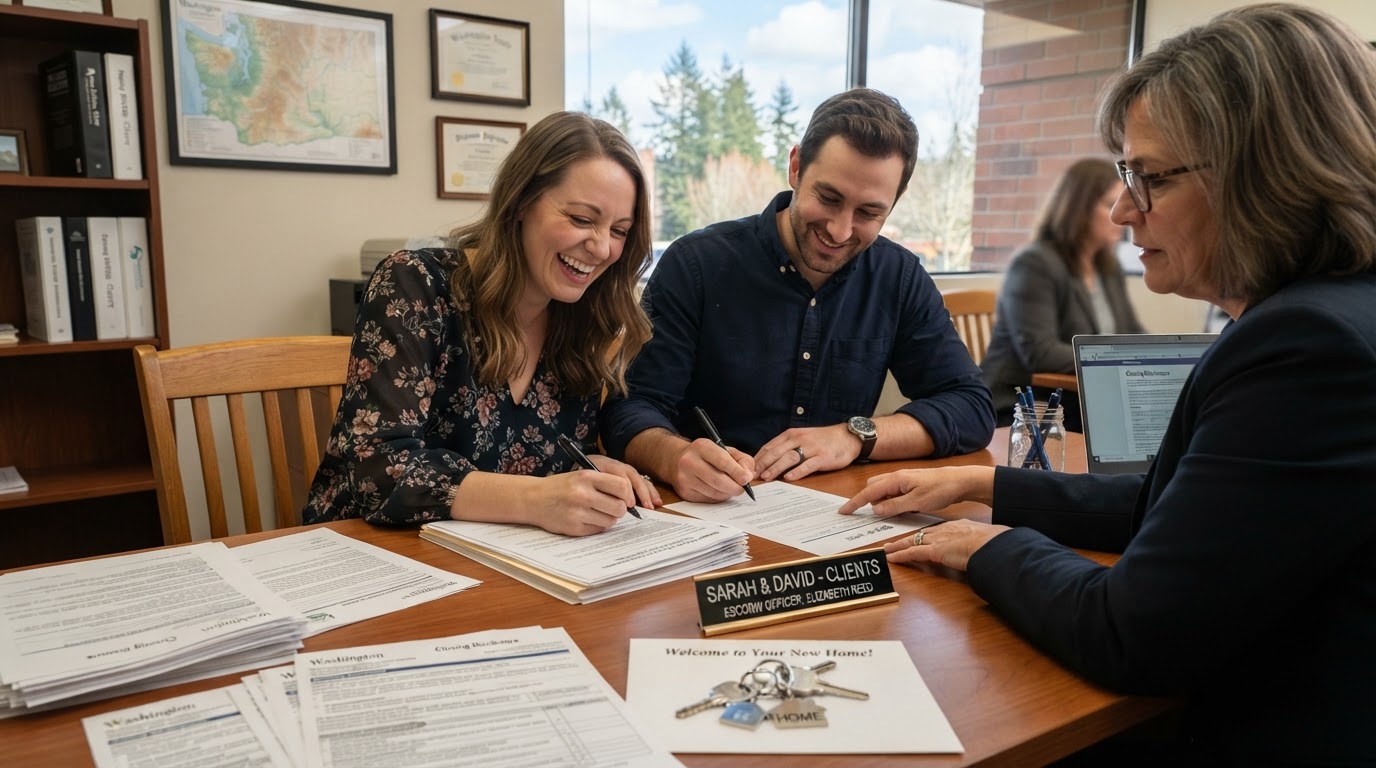
What Actually Happens on Closing Day? A Washington Homebuyer's Walkthrough
From the final walkthrough to the wire transfer to the keys in your hand here's exactly what to expect on closing day in Washington State, with no surprises.